Kimchi and Pork Belly Sizzling Stone Bowl (Dolsot Bibimbap)
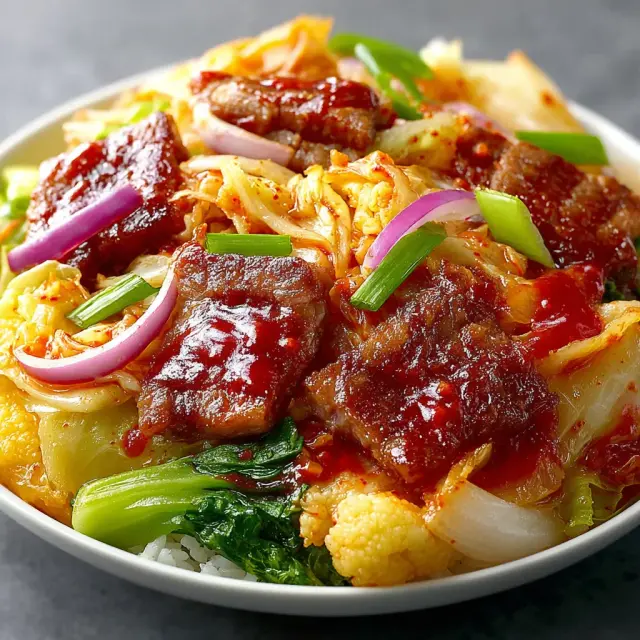
A sizzling stone bowl brings together savory pork belly, tangy kimchi, and vibrant vegetables over perfectly crisped rice. This hearty meal is a comforting fusion of flavors and textures, finished tableside with a spicy-sweet gochujang sauce. The dolsot, or stone bowl, creates an unforgettable crust that makes every bite special.
What You’ll Need: Ingredients List
Gather your ingredients before you start. Having everything prepped (mise en place) is key for this fast-cooking dish.
For the Rice and Protein
- 1 ½ cups short-grain white rice (like sushi rice)
- 1 ½ cups water
- 1 pound (450g) pork belly, sliced into ¼-inch thick pieces
- 1 tablespoon soy sauce
- 1 teaspoon toasted sesame oil
- ½ teaspoon freshly ground black pepper
For the Vegetables and Kimchi
- 1 ½ cups napa cabbage kimchi, drained and roughly chopped
- 2 cups fresh spinach
- 1 medium carrot, julienned
- 1 small zucchini, julienned
- 4-5 shiitake mushrooms, stems removed and sliced
- 1 teaspoon fine sea salt, divided
- 2 tablespoons neutral oil (like grapeseed or vegetable), divided
- 2 teaspoons minced garlic
For the Sauce and Garnish
- 3 tablespoons gochujang (Korean red chili paste)
- 1 tablespoon rice vinegar
- 1 tablespoon honey or agave syrup
- 1 tablespoon toasted sesame oil
- 1 tablespoon water
- 4 eggs
- Toasted sesame seeds, for garnish
- Sliced green onion, for garnish
Crafting Your Sizzling Bowl: Step-by-Step Guide
Follow these detailed steps to build layers of flavor and achieve the iconic crispy rice crust.
Step 1: Prepare the Rice
Rinse the rice in a fine-mesh strainer under cold water until the water runs mostly clear. Combine the rinsed rice and 1 ½ cups water in a rice cooker or saucepan. Cook according to your preferred method. Once cooked, fluff with a fork. Tip: Slightly drier rice works better for crisping. If your rice is fresh and sticky, spread it on a tray to cool and dry slightly for 15 minutes.


Step 2: Marinate the Pork and Make the Sauce
While the rice cooks, toss the sliced pork belly with soy sauce, 1 teaspoon sesame oil, and black pepper. Set aside to marinate for at least 15 minutes. In a small bowl, whisk together the gochujang, rice vinegar, honey, 1 tablespoon sesame oil, and water until smooth. Set this sauce aside.
Step 3: Cook the Vegetables Separately
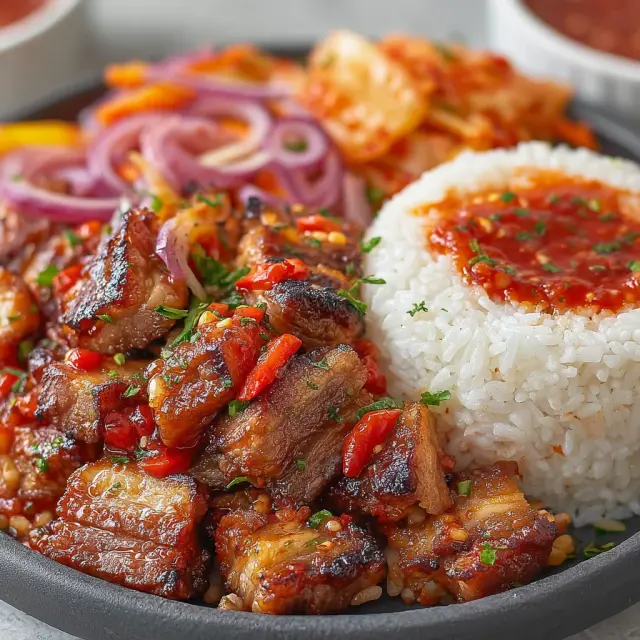
This is crucial for texture and flavor control. Heat a large skillet or wok over medium-high heat with 1 tablespoon of neutral oil.
- Spinach: Quickly sauté the spinach with a pinch of salt until just wilted, about 30 seconds. Remove and set aside.
- Carrot & Zucchini: In the same pan, add a bit more oil if needed. Sauté the julienned carrot and zucchini separately with a pinch of salt until tender-crisp, about 1-2 minutes each. Remove and set aside.
- Mushrooms: Sauté the sliced shiitake mushrooms until browned and tender, about 2-3 minutes. Remove and set aside.
- Kimchi: Finally, sauté the chopped kimchi in the same pan for 2-3 minutes to intensify its flavor. Remove and set aside.
Common Mistake: Do not crowd the pan or cook all vegetables together, as they will steam and become soggy.
Step 4: Cook the Pork Belly and Fry the Eggs
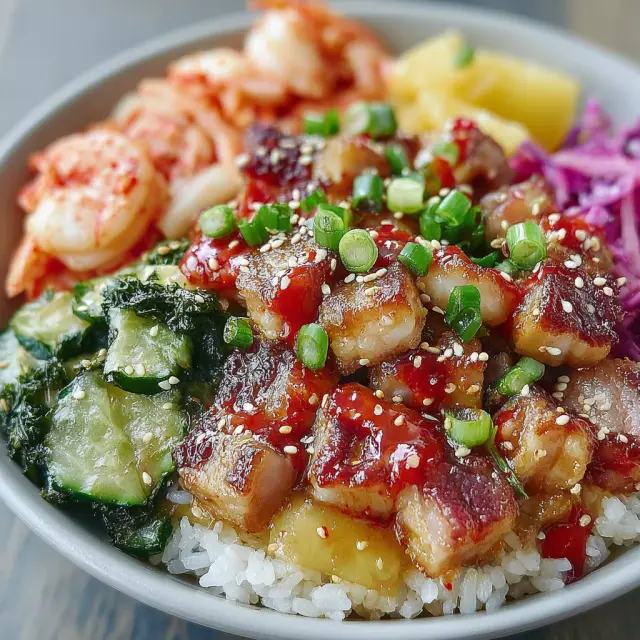
In the same skillet, cook the marinated pork belly over medium-high heat until golden brown and crispy on both sides, about 3-4 minutes per side. Remove and set aside. Wipe the skillet clean, add a little oil, and fry the eggs sunny-side up or over-easy, keeping the yolks runny.
Step 5: Assemble and Crisp in the Dolsot
This is the magic step. Place each empty stone bowl (dolsot) directly over a medium flame on your stovetop for 3-4 minutes until very hot. Caution: Use tongs and oven mitts, as the bowl will be extremely hot. Carefully remove from heat. Add 1 tablespoon of neutral oil to the hot bowl, swirling to coat. Divide the cooked rice between the bowls, pressing it down into a flat layer. Immediately return the bowls to medium-low heat and let them cook for 5-7 minutes. You should hear a gentle sizzle.
Step 6: Final Assembly and Serve
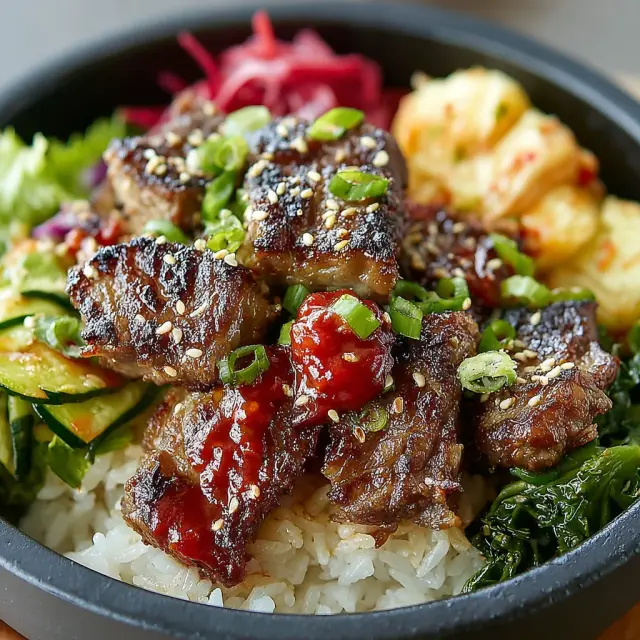
Remove the bowls from the heat. Arrange the cooked pork belly, sautéed kimchi, spinach, carrot, zucchini, and mushrooms in neat sections over the rice. Top each with a fried egg. Garnish generously with sesame seeds and green onion. Serve immediately, instructing everyone to add the reserved gochujang sauce to their liking and to mix everything thoroughly, scraping up the crispy rice from the bottom.
Getting It Right: Basics & Tips for Beginners
If you’re new to Korean cooking or using a stone bowl, these pointers will ensure success.
PrintKimchi and Pork Belly Sizzling Stone Bowl (Dolsot Bibimbap)
-
 Busy Night? This One-Pan Sweet & Tangy BBQ Sausage...
 -
 Cowboy Casserole: Savory Tater Tot and Ground Beef Delight
 -
 Bruneian Ambuyat Recipe: Discover Southeast Asia's Unique Delight
 -
 Texas-Style Smoked Turkey Breast: Perfect for BBQ Dinner!
 -
Honey BBQ Grilled Salmon: Delightful Summer Dinner Recipe!
-
Cheesy Hamburger Rice Casserole: Easy Family Dinner Delight
-
Lemon Herb Baked Cod: A Light Dinner Delight!
-
 Rosemary-Infused Fig and Goat Cheese Crostini
 -
Lemon Dill Baked Salmon: Quick, Delicious Dinner Option
-
 Cauliflower Chickpea Curry: Quick, Nourishing, and Perfect for Cozy...
 -
Osso Buco Recipe: Italian Braised Joy for Your Table
-
Crispy Chickpea Salad Bowl: A Deliciously Healthy Lunch!
-
Chicken Enchiladas
-
Japanese Teriyaki Salmon: Experience a Sweet Asian Dinner Delight!
-
Southwest Stuffed Bell Peppers: Flavorful Dinner Delight!
-
Mediterranean Lentil Salad: Your Protein-Packed Fresh Lunch!








Gather your ingredients before you start. Having everything prepped (mise en place) is key for this fast-cooking dish.
- Total Time: 50
- Yield: 4 servings
Ingredients
- 1 ½ cups short-grain white rice (like sushi rice)
- 1 ½ cups water
- 1 pound (450g) pork belly, sliced into ¼-inch thick pieces
- 1 tablespoon soy sauce
- 1 teaspoon toasted sesame oil
- ½ teaspoon freshly ground black pepper
Instructions
- Rinse the rice in a fine-mesh strainer until the water runs clear. Combine the rinsed rice and 1 ½ cups water in a medium pot or rice cooker. Cook according to your preferred method until tender. Keep warm.
- While the rice cooks, marinate the pork belly slices in a bowl with soy sauce, sesame oil, and black pepper. Set aside for at least 10 minutes.
- Heat a large skillet or wok over medium-high heat. Add the marinated pork belly and cook, stirring occasionally, until browned, crispy, and cooked through, about 8-10 minutes. Remove from heat.
- To assemble each serving, place a stone bowl (dolsot) or a heavy, heatproof ceramic bowl over medium heat. Add a teaspoon of vegetable oil and swirl to coat. Add a portion of cooked rice, pressing it down to cover the bottom.
- Arrange a portion of the cooked pork belly and kimchi on top of the rice. Add any other prepared vegetables (e.g., spinach, bean sprouts, carrots) if using.
- Continue to heat the bowl for 5-7 minutes, until you hear a sizzling sound and the rice at the bottom begins to form a crispy crust (nurungji).
- Carefully remove the hot bowl using a pot holder and place it on a heatproof trivet. Top with a fried egg and a drizzle of gochujang sauce.
- Serve immediately. Instruct diners to vigorously mix all the ingredients together before eating.
Notes
For the best crispy rice, ensure your stone bowl is thoroughly preheated. If you don’t have a dolsot, a small cast-iron skillet works well. The nutritional information is a rough estimate and can vary significantly based on the specific brands and amounts of ingredients used, especially the pork belly, kimchi, and gochujang sauce. Adjust the level of gochujang to your preferred spice level.
- Prep Time: 20
- Cook Time: 30
- Category: Main Course
- Method: Baking
- Cuisine: Japanese
Nutrition
- Serving Size: 1 serving
- Calories: 33
- Sugar: 2
- Sodium: 49
- Fat: 0
- Saturated Fat: 0
- Unsaturated Fat: 0
- Trans Fat: 0
- Carbohydrates: 7
- Fiber: 1
- Protein: 1
- Cholesterol: 1
- No Stone Bowl? Use a small cast-iron skillet. Preheat it in a 450°F (230°C) oven for 30 minutes, then carefully add oil and rice and cook on the stovetop as directed. The crust won’t be quite the same, but it will be deliciously crispy.
- Rice is Key: Day-old rice is actually perfect here as it has less moisture. If using fresh rice, spread it thin to cool and dry for a bit.
- Prep First: Have all your vegetables cooked and your sauce made before you even heat the dolsot. Assembly happens quickly once the bowl is hot.
- Safety First: Always place the hot dolsot on a wooden trivet or thick plate at the table. Never place it directly on a cold surface or tablecloth.
Pro Twists & Ingredient Swaps
Customize this dish based on your preferences or what’s in your fridge.
- Protein Swap: Replace pork belly with thinly sliced beef sirloin, chicken thigh, or firm tofu for a vegetarian version.
- Vegetable Variations: Use bean sprouts, sautéed bell peppers, or blanched soybean sprouts (kongnamul).
- Sauce Adjustment: For less heat, mix the gochujang with a little more honey and sesame oil. For a different profile, add a teaspoon of doenjang (soybean paste).
- Quick Kimchi: If you don’t have traditional napa kimchi, well-drained kimchi made from cucumbers or radish works beautifully.
Presenting Your Masterpiece
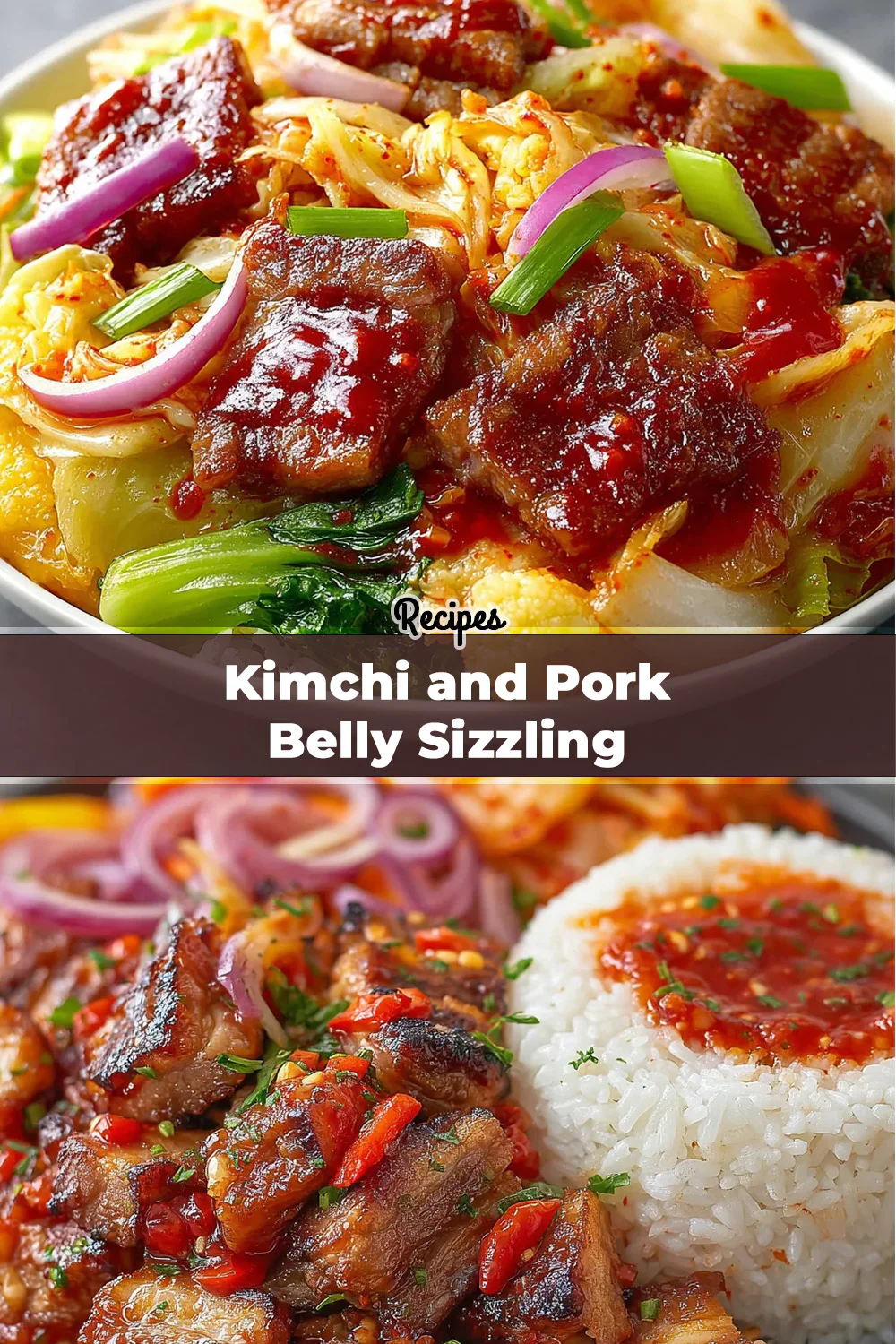
The visual appeal is part of the experience. Arrange the colorful vegetables and pork in distinct, clock-like sections against the white rice before topping with the egg. Serve the bright red gochujang sauce in a small separate bowl with a spoon. The final, dramatic touch is the audible sizzle when the bowl hits the table—a sure sign of the crispy treasure waiting below.
How It Stands Apart: A Quick Comparison
While related to other dishes, this recipe has unique features.
- Vs. Regular Bibimbap: Served in a regular bowl at room temperature, regular bibimbap lacks the textural contrast of the hot, crispy rice crust (nurungji) that defines the dolsot version.
- Vs. Kimchi Bokkeumbap (Fried Rice): Kimchi fried rice mixes all ingredients together during cooking. This dish is an assembly of distinct components, allowing each flavor to shine individually before being mixed by the diner.
- Vs. Other Stone Bowl Dishes: The focus here is specifically on the robust pairing of caramelized pork belly and tangy kimchi, creating a richer, more savory profile than vegetable-heavy versions.
Your Questions, Answered
Can I make this without a stone bowl (dolsot)?
Absolutely. A small cast-iron skillet is the best substitute. Preheat it thoroughly in the oven before using it on the stovetop to mimic the heat retention of stone.
My rice isn’t getting crispy. What did I do wrong?
The most common reasons are too much moisture in the rice or insufficient preheating of the bowl. Ensure your rice is on the drier side and that you heat the empty dolsot for a full 3-4 minutes until it’s very hot before adding the oil and rice.
How spicy is this dish?
The heat is entirely customizable. The gochujang sauce is served on the side, so you control how much you add. The dish itself, from the kimchi and pork, has a mild to moderate tangy heat.
Can I prepare components in advance?
Yes, you can cook the rice, marinate the pork, and sauté all vegetables 1 day ahead. Store them separately in airtight containers in the refrigerator. Reheat the vegetables gently before assembling. The final crisping in the dolsot must be done just before serving.
What’s the best way to clean a dolsot?
Let it cool completely. Soak it in warm water to loosen any stuck-on rice, then use a non-abrasive sponge or brush to clean. Avoid soap if possible, as the porous stone can absorb it. Dry it thoroughly over a low flame on the stovetop before storing.
Final Thoughts
This Kimchi and Pork Belly Sizzling Stone Bowl is more than a meal; it’s an interactive dining experience. The process of building layers of flavor, achieving that perfect crust, and customizing each bite with sauce is deeply satisfying. While it requires a bit of component preparation, the steps are simple and the result—a symphony of savory, spicy, tangy, and crispy textures—is well worth the effort. It’s a fantastic recipe to impress guests or to treat yourself to a restaurant-quality experience at home.