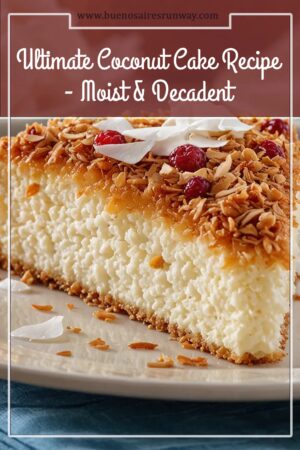
Ultimate Coconut Cake Recipe – Moist & Decadent
Introduction
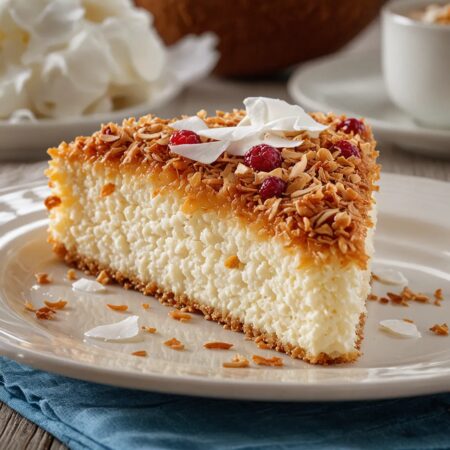
Why settle for a dry, store-bought coconut cake when you can make a moist and decadent one at home in under 2 hours? This ultimate coconut cake recipe transforms 20 simple ingredients into a rich, creamy masterpiece. The secret is using high-quality coconut milk and extracts. You’ll have a beautifully layered cake ready in no time.
Print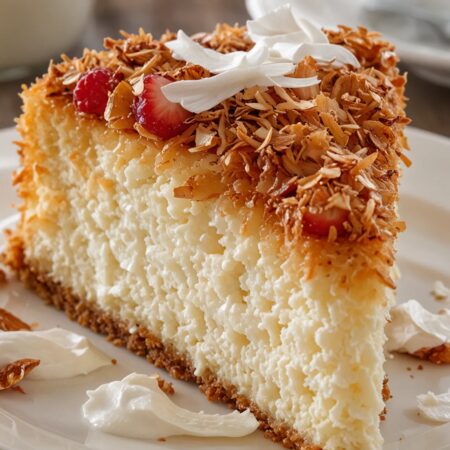
Ultimate Coconut Cake Recipe – Moist & Decadent
A moist and decadent coconut cake recipe with a rich, creamy frosting and tender, fluffy cake
- Total Time: 60
- Yield: 8-10
Ingredients
✓ /4 cups cake flour (345 g)
✓ /2 teaspoons baking powder
✓ /2 teaspoon baking soda
✓ /2 teaspoon fine sea salt
✓ cup unsalted butter (2 sticks, 226 g)
✓ cups granulated sugar (400 g)
✓ large eggs (room temperature)
✓ teaspoon pure vanilla extract
✓ /2 teaspoons coconut extract
✓ cup canned full-fat coconut milk (240 ml)
✓ /2 cup buttermilk (120 ml)
✓ /2 cups sweetened shredded coconut (about 120 g)
✓ oz cream cheese (450 g)
✓ cup unsalted butter (2 sticks, 226 g)
✓ –5 cups powdered sugar (480–600 g)
✓ teaspoon vanilla extract
✓ –2 teaspoons coconut extract
✓ /4 cup canned coconut milk or heavy cream (60 ml)
✓ salt (pinch)
Instructions
✓ Preheat oven to 350°F (180°C)
✓ Prepare pans by greasing with butter and flouring lightly
✓ Mix together flour, sugar, baking powder, and salt in a large bowl
✓ Whisk together coconut milk, buttermilk, eggs, vanilla extract, and coconut extract in a separate bowl
✓ Add wet ingredients to dry ingredients and mix until just combined
✓ Divide batter evenly between prepared pans and smooth tops
✓ Bake for 25-30 minutes or until a toothpick inserted into the center comes out clean
✓ Allow cakes to cool in pans for 5 minutes before transferring to a wire rack to cool completely
-
 Peruvian Lucuma Ice Cream Recipe: Delightful Flavor Adventure
 -
 Espresso Panna Cotta Prep
 -
Oreo Cookies and Cream Cheesecake Recipe
-
Mini Cheesecakes for Thanksgiving – Holiday Treats
-
How to Make Heart-Shaped Cakes at Home
-
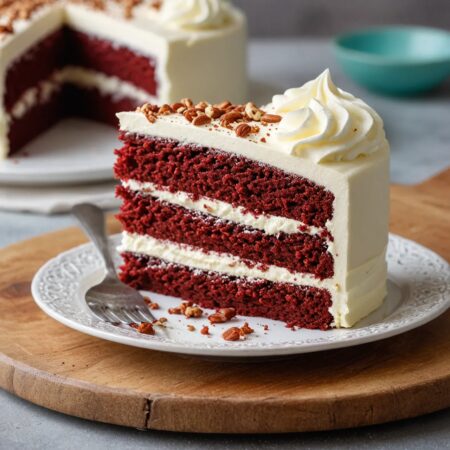
Ultimate Red Velvet Cake Recipe
-
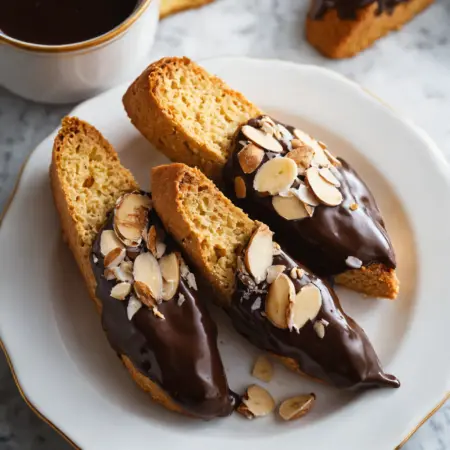
Chocolate-Dipped Almond Biscotti Cooking Guide
-
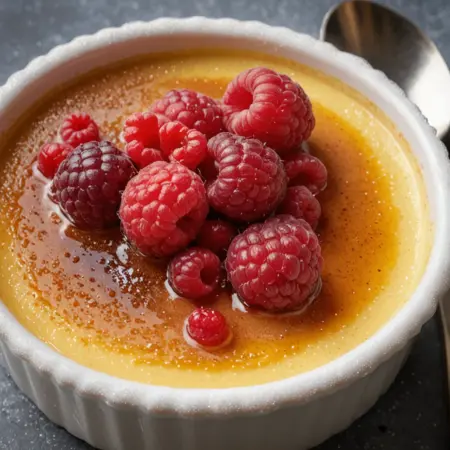
Raspberry Cream Brûlée
-
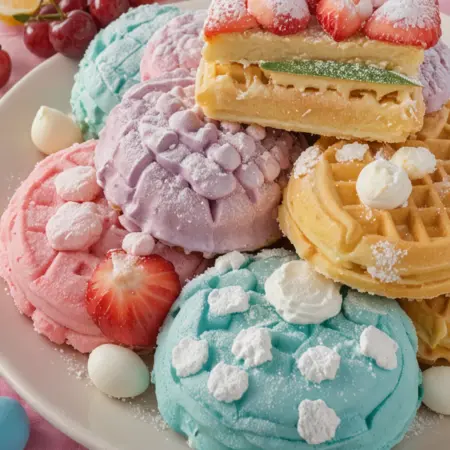
Tasty Easter Desserts
-
Heart-Shaped Cookies for Valentine's Day
-
Delicious Valentine's Day Dessert Ideas
-
Chocolate Chip Banana Bread: A Nostalgic Dessert Delight
-
Irresistible Valentine's Fortune Cookies
-
Spinach and Ricotta Lasagna: Explore a Creamy Delight!
-
Cranberry Orange Protein Bites
-
Muddy Buddy Popcorn Fun


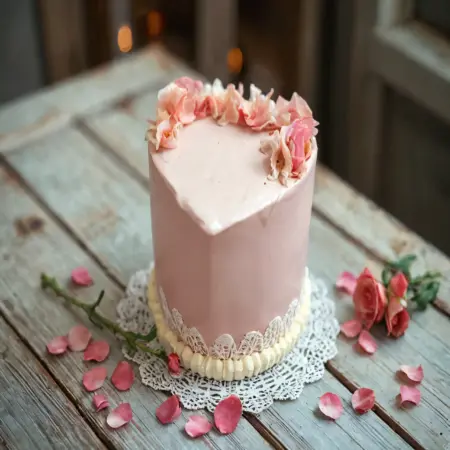





✓ Once cakes are cool, place one layer on a serving plate or cake stand and spread a thick layer of frosting on top
✓ Place second cake layer on top of first and frost entire cake with remaining frosting
Notes
To ensure the cake is moist and tender, do not overmix the batter and make sure to use high-quality ingredients
- Prep Time: 30
- Cook Time: 30
- Category: Dessert
- Cuisine: American
The Importance of Quality Ingredients
When it comes to coconut cake, the quality of your ingredients can make all the difference. Using full-fat coconut milk, good-quality coconut extract, and real butter will give your cake a depth of flavor that’s hard to replicate with lower-quality alternatives. For instance, full-fat coconut milk contains a higher amount of healthy fats, which not only add moisture to the cake but also enhance its overall flavor profile.
Understanding the Role of Leavening Agents
Leavening agents like baking powder and baking soda are crucial in coconut cake, as they help the cake rise and give it a light, fluffy texture. Baking powder is a mixture of baking soda and an acid (usually cream of tartar) that is designed to release gas more slowly over time, providing a longer-lasting leavening action. This is particularly important in coconut cake, where the dense, moist texture can make it prone to sinking if not properly leavened.
The Science Behind Moisture Content
Moisture content is critical in coconut cake, as it can make or break the texture of the final product. Using the right amount of coconut milk, buttermilk, and eggs will ensure that your cake is moist and tender, rather than dry and crumbly. It’s also important to note that overmixing the batter can lead to a dense, tough cake, so it’s best to mix the ingredients just until they come together in a smooth, creamy batter.
Troubleshooting Common Issues
One common issue that can arise when making coconut cake is that the cake may not rise properly, resulting in a dense, flat texture. This can be caused by a number of factors, including old or inactive leavening agents, overmixing the batter, or using the wrong type of flour. To troubleshoot this issue, try checking the expiration dates of your leavening agents, reducing the amount of mixing time, or switching to a different type of flour.
Making the Cake
To make the cake, start by preheating your oven to 350°F (180°C). Then, prepare your pans by greasing them with butter and flouring them lightly. Next, mix together the flour, sugar, baking powder, and salt in a large bowl. In a separate bowl, whisk together the coconut milk, buttermilk, eggs, vanilla extract, and coconut extract. Add the wet ingredients to the dry ingredients and mix until just combined.
The Importance of Not Overmixing
Overmixing the batter is a common mistake that can lead to a dense, tough cake. To avoid this, mix the ingredients just until they come together in a smooth, creamy batter. Then, stop mixing and scrape down the sides of the bowl to ensure that all the ingredients are well incorporated.
Assembling and Frosting the Cake
Once the cakes are baked and cooled, it’s time to assemble and frost the cake. To do this, place one of the cake layers on a serving plate or cake stand, and spread a thick layer of frosting on top. Then, place the second cake layer on top of the first, and frost the entire cake with the remaining frosting.
Storage and Serving Suggestions
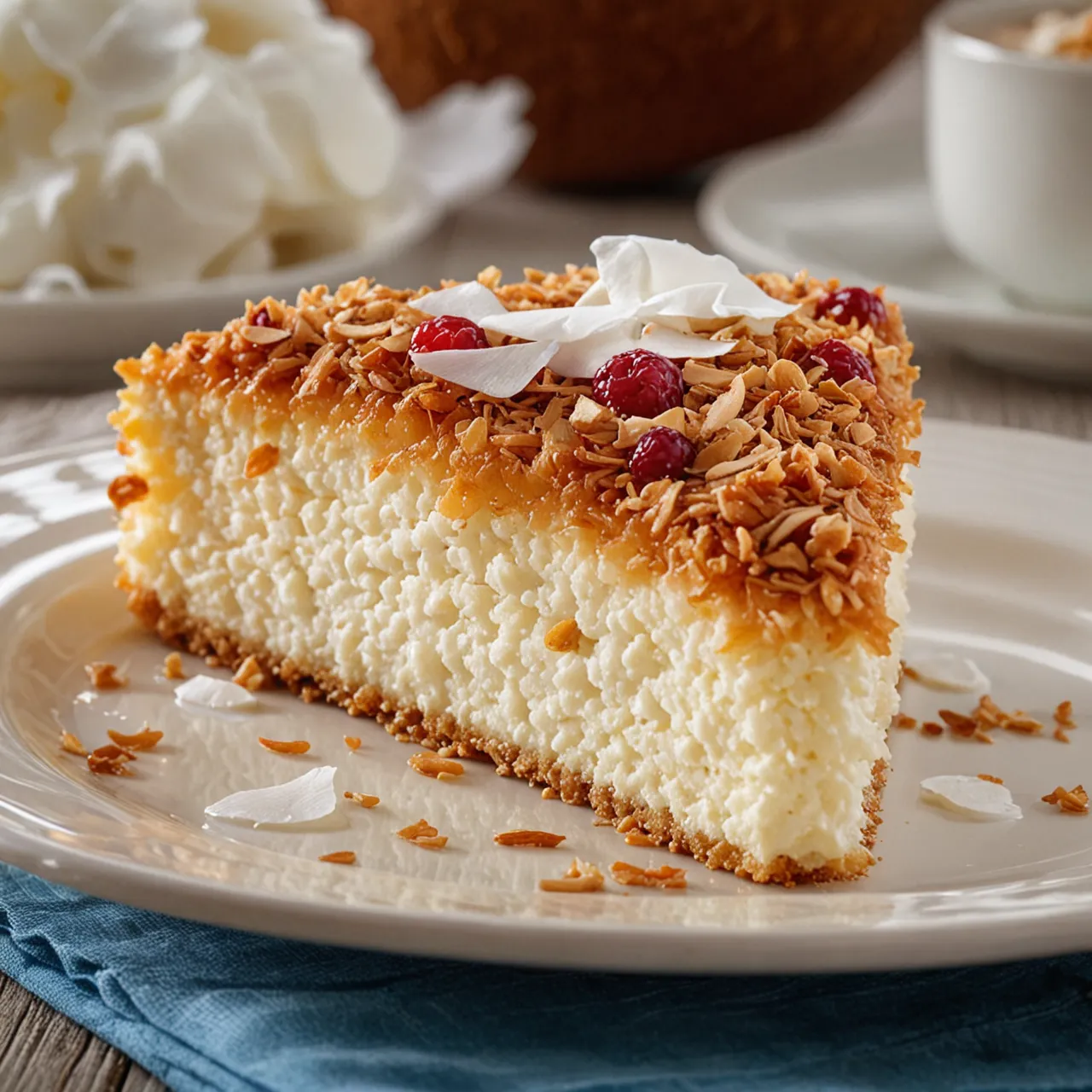
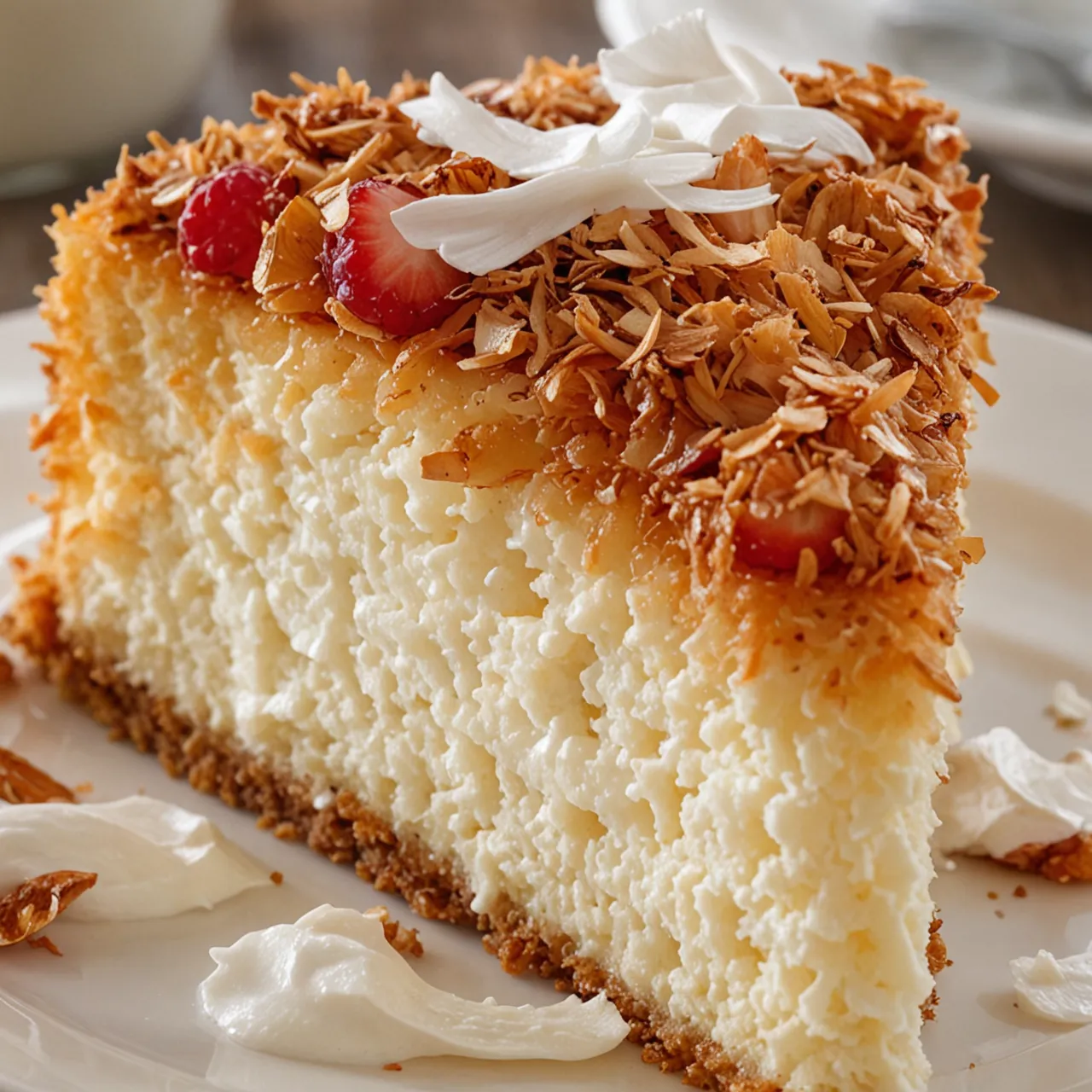
To store the cake, place it in an airtight container in the refrigerator for up to 3 days. To serve, slice the cake into thick slices and serve at room temperature. You can also garnish the cake with fresh berries, sliced almonds, or white chocolate curls for a beautiful and delicious presentation.
Conclusion
This ultimate coconut cake recipe is a game-changer for anyone who loves moist, decadent desserts. With its rich, creamy frosting and tender, fluffy cake, it’s the perfect treat for any occasion. So why settle for a dry, store-bought cake when you can make a delicious, homemade one in under 2 hours? Try this recipe today and taste the difference for yourself.